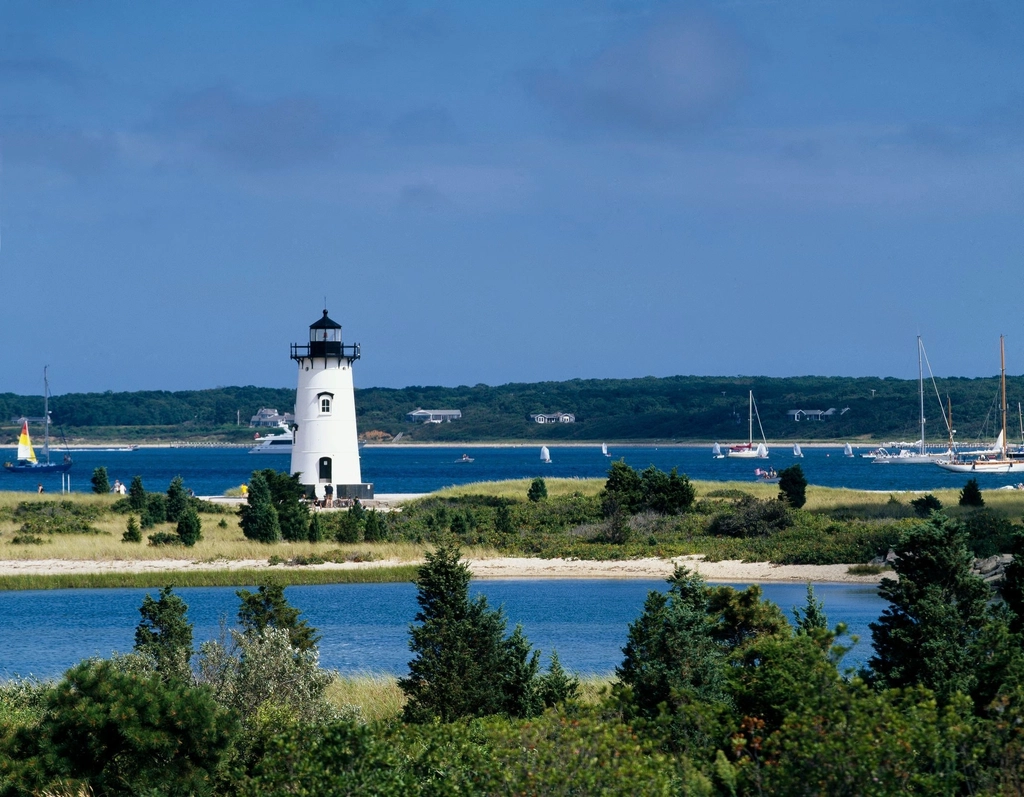
The Vineyard is looking green and lush, from the superficial aspect of roadside views and many lawns and gardens. The recent rains refreshed what we can see, and roses, in particular, have responded beautifully. But is the seen the critical part?
Laurel and sassafras wilt
For our world, trees are the answer. Trees have created over eons the topsoil upon which we and everything else lives and survives: those few, fragile, fertile inches that make all life on Earth possible. What are we doing to our world?
Trees create our rain, clean our air, shade and protect from heat, hold and protect topsoil from rain’s and wind’s erosion. Trees produce food for us and other life. Trees in themselves are entire micro-ecosystems that are constituents of the web of life.
Therefore it is unutterably sad that one more tree family falls victim to forces that spell doom for it. Is it international and interstate commerce? Is it climate change? Is it human heedlessness? It is all of the above.
A shortened form, from the Facebook page of New York State’s Department of Environmental Conservation, the Cornell School of Agriculture and Life Sciences video “Be on the Lookout” report, follows (bit.ly/NYSDEC_LaurelWilt):
“Laurel wilt, an invasive plant disease, was detected on Long Island in 2025. In response, DEC has established a quarantine district in the towns of Huntington, Babylon, Smithtown, Islip, and Brookhaven to prevent the movement of potentially infected wood and slow the spread of this destructive disease.
“In New York, laurel wilt threatens native sassafras and spicebush, causing rapid wilting and eventual tree death. The fungus is spread by invasive ambrosia beetles, and through the movement of infected wood. While beetles can spread the disease from tree to tree locally, moving firewood, logs, wood chips, and other woody materials can introduce laurel wilt to new areas many miles away.
“Because there are no effective treatments for laurel wilt, preventing the disease from spreading beyond the currently affected area is critical.
“You can help prevent the spread of laurel wilt by:
- Following local quarantine district restrictions, as well as the statewide Firewood Regulation;
- Learning to recognize laurel wilt symptoms and reporting them to DEC.
- Reporting signs of laurel wilt to DEC’s Forest Health Lab or iMapInvasives.”
It seems it is only a matter of time until laurel and sassafras wilt arrives here. Martha’s Vineyard is downwind of Long Island. Our connections with Long Island take many forms.
The vector complex is a tiny beetle that “farms” a fungal pathogen. This makes the disease’s mechanism similar to Dutch elm disease, also a double whammy, where insects and fungal entities intersect.
The laurel wilt disease has already ravaged Florida and the Southeast’s Lauraceae redbay groves. It also attacks extensive Florida avocado orchards (Persea americana, a Lauraceae family member), where it is estimated 300,000 trees have had to be sacrificed. The orchard acreage is then sold for real estate development.
There are a few more than 60,000 individual species of trees, according to the world’s largest plant conservation organisation, U.K.-based Botanic Gardens Conservation International (BGCI). More than 11,000 of these are at risk of extinction. More than 3,300 are critically endangered.
How many families of trees can we lose? Can our world lose? Chestnuts, elms, hemlock, ash trees, dogwood, beech, pitch pine — ask yourself to comprehend this.
“This doesn’t just mean, ‘We are losing trees’: It means losing ecosystems, meanings, stories, oxygen, and memory.” –Treedom
Where I live, the impressive beeches are in slow death. Beech leaf disease, devastating aphids, beech bark disease — all join in a fatal mix to render these lovely woods listless and barren. And what is sprouting up on the forest floor in the openings? Sassafras is sprouting beneath struggling beech to fill the gaps ….
Tim Boland retires
Polly Hill Arboretum’s knowledgeable executive director, Tim Boland, is retiring: This is a hard act to follow. Tim has steered the Island’s outstanding public garden since stepping into Stephen Spongberg’s shoes in 2004. Tim’s professionalism and warmth in sharing his love for all growing things (but especially oaks) transformed and grew PHA into prominence nationally and internationally.
In the garden
Early August, barren phase: time to replant, rethink, regroup. Sow after new moon.
I ordered seed garlic, having had an adequate but underwhelming harvest. The 2026 harvest contained no tennis-ball-size bulbs. The seed garlic I planted last year was itself not impressive. The ordered seed garlic is from the Pacific Northwest. Indications are that region has fewer endemic garlic-growing issues.
One must always ask and evaluate what could be done better: How do I improve what I am doing? It can be labor-intensive, and hard when high heat makes physical labor challenging. However, making compost and getting that organic matter and humus into/onto the ground makes a difference.
This garden should be awash in cucumbers. The healthy-looking, flower-laden plants have produced very, very few fruit. Pollinators are working the flowers, small bees about the size of houseflies. Shouldn’t it also be larger pollinators doing this?
‘Mountain Princess’ determinate tomatoes from High Mowing Seeds will finish; removing plants then opens space, for something like carrots or radicchio.
Cut back once-flowering daylilies. Fresh foliage sprouts, improving the bed’s appearance. Reblooming daylilies need repeated spraying with repellent after deer discover them. ‘Knockout’-type roses continue to flower regardless, but appearance is improved if pruned and deadheaded. Groom hydrangeas.
Continue with deadheading and dead-leafing annuals. Many of the Wave and Supertunia petunias benefit from shortening the flowering stems. A boost from liquid feeds helps too, although I am avoiding “blue water” after unfortunate foliage burning while using the company’s hose-end mixer-sprayer. Liquid seaweed is your friend, especially in this heat.
Tick check frequently.